Surfing Santa Teresa: Surf Spots, Camps, Lessons, and Guide
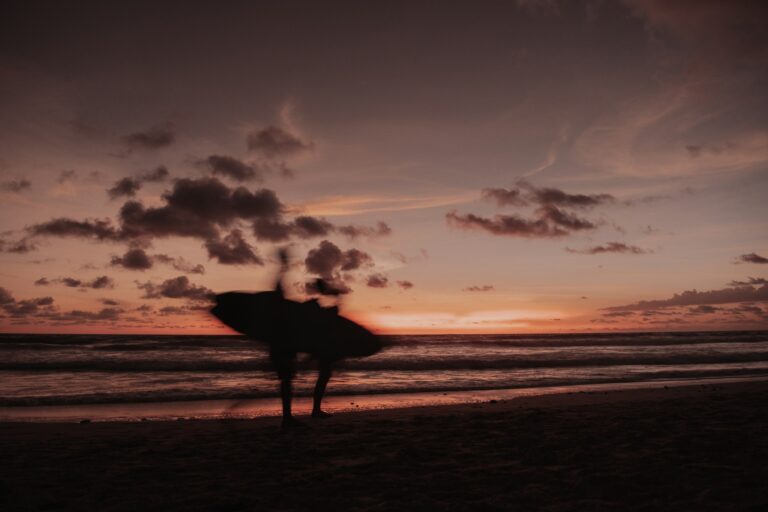
This guide will cover surf spots, camps, and the best lessons in the world famous Santa Teresa, Costa Rica. To get a snippet of what you are traveling here for, check out this video;
Introduction to Surfing in Santa Teresa
Santa Teresa is a world renowned surf destination located on the western edge of the Nicoya Peninsula. Once a remote fishing village, it has transformed into a vibrant international community while maintaining its rugged, end of the road charm. The town consists of a single main road lined with high end restaurants, organic cafes, and surf shops, all tucked beneath a thick canopy of jungle. It is a place that attracts a global crowd of professionals, artists, and serious surfers seeking high quality waves and a wellness oriented lifestyle.
The surfing in Santa Teresa is legendary for its power and extreme consistency. Because it faces the open Pacific, it receives swell from almost any direction, ensuring that there is a rideable wave nearly every day of the year. The breaks here are fast and can be quite punchy, offering exciting conditions for those who enjoy high performance surfing. Despite its growing popularity, the long stretch of coastline provides plenty of space for the many peaks to work, making it a premier location for a dedicated surf trip.
Best Season to Surf in Santa Teresa
- The High Swell Season: May to October. This period experiences the strongest ocean energy. The waves are large and provide long rides through sections that can become hollow. The landscape is vibrant and green during these months, and the ocean is typically smooth in the early mornings.
- Beginner Recommendation – The Dry Season: December to April. This is the ideal time for organized conditions and more manageable waves. The offshore winds are constant and the weather remains clear for long periods. It is an excellent season for intermediate surfers to practice on the beach breaks.
- General Recommendation – The Transition Months: April and November. These months provide a useful combination of good waves and pleasant weather. You can often experience the first significant swells of the year while enjoying sunny conditions.
Surf Spots
Santa Teresa Beach: The primary beach break in the area. It is known for its steep, fast waves that offer great barrels when the swell and tide align. It is a high performance spot that is best suited for intermediate and advanced surfers, especially when the waves are overhead.
Playa Carmen: Located at the southern end of the town, this is a more versatile beach break. It features a mix of sand and rock bottom sections that help create consistent lefts and rights. While still powerful, it is generally more approachable than the main Santa Teresa beach and is a popular spot for a wide range of skill levels.
Playa Hermosa (Puntarenas Province): A short drive north of the main town, this beach is true to its name. It is a very wide, sandy beach break that offers much softer and more forgiving waves than Santa Teresa. It is the preferred destination for beginners and longboarders in the region.
Playa Cocal: Situated just north of Playa Hermosa, this spot is a hidden gem that offers a peaceful surfing experience. It is a beach break that picks up plenty of swell but usually sees far fewer people in the water. It is an excellent choice for those looking for solitude and natural beauty.
Montezuma: Located about 40 minutes away via car, you find, a beautiful surf town, with some fantastic waves to back it up to. Check out my Surfing in Montezuma guide to learn more about the place.
Surf Schools and Camps
Santa Teresa Surf School provides high quality instruction tailored to the powerful local conditions. Their coaches are experts at reading the shifting sandbars and can guide students to the safest and most productive peaks. They focus on building confidence and technical proficiency, ensuring that every surfer progresses at their own pace.
Don Jon’s is a staple of the Santa Teresa community, offering a rustic and welcoming environment for travelers. Their surf camp packages combine comfortable lodging with daily lessons or guided sessions. It is a fantastic place to meet fellow surfers and immerse yourself in the local lifestyle while being only a few steps away from the main break.
How to get to Santa Teresa
The journey to Santa Teresa is part of the adventure. From San José, you can drive to Puntarenas, take the ferry across the Gulf of Nicoya to Paquera, and then drive another ninety minutes. Alternatively, you can take a domestic flight to Tambor Airport followed by a forty-five minute taxi or shuttle. Some travelers also arrive via the taxi boat from Jaco. A 4×4 vehicle or an ATV is highly recommended for navigating the dusty or muddy roads of the town.
General Costs and Considerations
Santa Teresa is a premium destination with costs reflecting its popularity. Plan for a daily budget between ninety and one hundred and eighty dollars. The town is very spread out, so most visitors rent an ATV to travel between the different beaches and restaurants. There are several ATMs and pharmacies in town, and almost all businesses accept credit cards. It is a very safe community, though it remains quite busy during the peak season.
Travel Advisories
The waves here are powerful and the currents can be strong, so always assess the conditions before paddling out. Use high quality sun protection as the tropical sun is intense. Because the main road is unpaved in many sections, it can be very dusty in the dry season and muddy in the green season; a bandana for face protection while driving an ATV is a local essential. Always secure your belongings and respect the local residents and environment.
Other things to do in Santa Teresa
- Yoga at Sunset: Many world class retreats offer open yoga classes on decks overlooking the Pacific, providing a perfect way to recover after a day of surfing.
- Montezuma Day Trip: Take a short drive to visit the famous waterfalls and bohemian shops of the neighboring town of Montezuma.
- Mal Pais Tide Pools: Explore the massive natural rock pools in nearby Mal Pais during low tide for a relaxing soak in the salt water.
Conclusion on Santa Teresa
Santa Teresa is a destination that captures the imagination of surfers worldwide. Its combination of incredibly consistent waves, world class dining, and a deep jungle setting creates an experience that is hard to duplicate. Whether you are seeking the challenge of the barrels at the main beach or the long, gentle rides of Playa Hermosa, Santa Teresa delivers. It is a place that rewards effort with unforgettable rides and a true sense of the Pura Vida spirit.
FAQ: Travel Essentials for Santa Teresa
What is the average water temperature?
The water in Santa Teresa is consistently warm. In the summer (December to April), it averages 28C or 82F. During the winter or green season (May to November), the temperature remains around 29C or 84F.
What wetsuit thickness do I need?
No wetsuit is required. Surfers typically wear board shorts or swimsuits year round. A rash guard is highly recommended to protect your skin from the sun and the surfboard wax, especially during long sessions.
Which airport should I arrive at?
SJO San José is the most common international gateway. From there, you can take a domestic flight to TMU Tambor for the fastest access. Travelers coming from the north may also use LIR Guanacaste Airport in Liberia, which is about a four hour drive away.
What is the currency and which languages are spoken?
The local currency is the Costa Rican Colón ₡, but US Dollars $ are accepted everywhere. Spanish is the official language, but English is spoken fluently by almost everyone in the service and surf industries due to the large international population.
Is this location good for beginner surfers?
Yes, provided you go to the right spot. While the main Santa Teresa beach is better for intermediates, Playa Hermosa is one of the best beginner beaches in the country due to its soft sandy bottom and gentle waves. Working with a local school is the best way to ensure you find the appropriate conditions.
Other Blogs on Costa Rica
I have written exstensively about Costa Rica, if you are interested in learning more about all the spots and towns to surf in, check out my master blog post Surfing in Costa Rica.