Surfing in Norway: A Surf Travel Guide
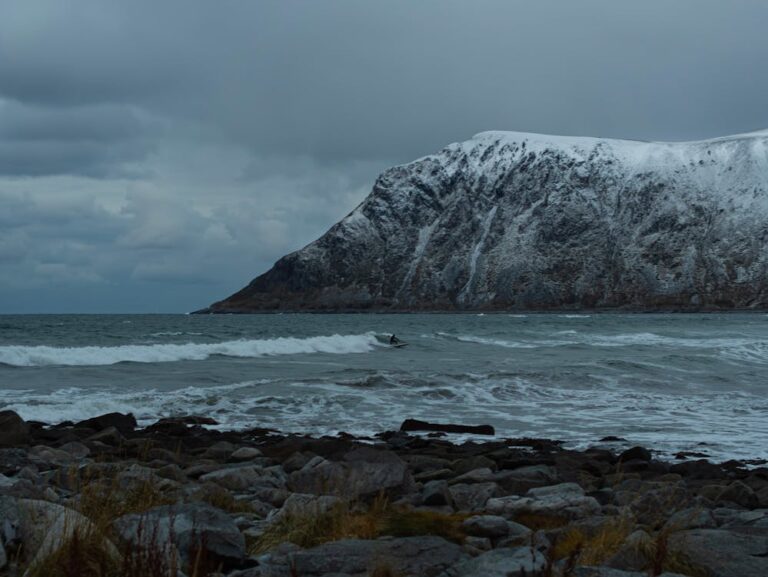
Introduction to Surfing in Norway
Norway is one of Europe’s most scenic cold-water surf destinations, with exposed Atlantic coastline, powerful winter swell, and a small but serious surf culture. The best-known breaks are found on the west coast and in the northwest, where beaches and reef setups can work well when the forecast lines up.
Borestranda, Hellestø, Hoddevik, Lofoten, Unstad, and Finnmark give Norway a mix of accessible beach breaks and remote Arctic surf. Conditions are highly seasonal, but the payoff is clean water, dramatic scenery, and far fewer crowds than most surf countries.
Best Season to Surf in Norway
- Winter peak: This is the main surf season, especially for Hoddevik and the west coast, when Atlantic swell is strongest and most consistent [web:173][web:176].
- Autumn and spring: These shoulder seasons can still bring very good surf, with more manageable temperatures and solid swell windows [web:171][web:175].
- Summer: Usually smaller and more beginner-friendly, but still surfable at exposed beaches like Borestranda and Hellestø [web:171][web:172].
Surf Spots in Norway
Borestranda
Borestranda is one of Norway’s best-known surf beaches and a major hub for Jæren surf culture. It is close to surf schools and is known for being easy to reach from Stavanger while still offering real North Sea power.
The beach can work year-round, but winter brings more energy and bigger surf, while summer tends to be smaller and better for beginners. Strong currents mean surfers need to stay alert even when the waves look manageable.
Hellestø
Hellestø is a beach break on the Jæren coast with left and right waves and a reputation as a dependable surf option for beginners and intermediates. It is often part of the local rotation between Hellestø, Bore, and Sola depending on which beach is best that day.
The spot can get busy, but it remains one of the more practical and accessible surf beaches in the Stavanger area. Cold water is the norm outside summer, so proper winter gear is essential.
Hoddevik
Hoddevik is one of Norway’s most famous surf destinations and is known for its very consistent beach break and scenic valley setting. It is especially good for beginners because of the long sandy beach and mellow whitewater close to shore.
The best conditions usually come in winter, when Atlantic swell and favorable winds combine to create quality surf. It is also one of the less crowded Norwegian surf spots, which adds to its appeal.
Lofoten
Lofoten is the big-name Arctic surf region, known for dramatic mountains, cold water, and powerful North Atlantic exposure. It is less about daily consistency and more about the unique experience of surfing far north in exceptional scenery.
The region is best suited to surfers who want a full surf adventure rather than a casual beach day. Flakstad is the premier beach there with a fantastic community revolving around it. The reward is a remote, unforgettable cold-water surf trip.
Unstad
Unstad is the most iconic surf spot in Lofoten and one of the best-known surf beaches in Norway. It has become a symbol of Arctic surfing because it combines reliable exposure with a spectacular setting.
The beach can produce quality waves when conditions line up, and it is famous for its surf school and strong surf culture. Unstad is one of the must-include destinations for any Norway surf guide.
Finnmark
Finnmark represents Norway’s far-north surf frontier, where remote coastline meets cold Atlantic and Arctic conditions. It is the most adventurous part of the country’s surf map and is not for casual surf travel.
When swell reaches this far north, the coastline can offer rare and rewarding sessions. The appeal is as much about remoteness and landscape as it is about the waves themselves.
Practical Surf Travel
- Best planning approach: Check swell, wind, and temperature carefully, because Norwegian surf is highly weather-dependent.
- Travel style: A car helps a lot on the west coast, and ferries or flights may be needed for the far north.
- Water temperature: Very cold for much of the year, so full winter gear is essential.
- What to expect: Strong scenery, low crowds, and a serious cold-water surf experience rather than tropical comfort.
Conclusion on Surfing in Norway
Norway is one of Europe’s most rewarding cold-water surf destinations, with a mix of accessible beach breaks and remote Arctic surf. Borestranda, Hellestø, Hoddevik, Unstad, Lofoten, and Finnmark each offer a different version of that experience.
It is a destination for surfers who are comfortable with cold water, flexible timing, and dramatic landscapes. When the North Atlantic turns on, Norway can deliver something genuinely special.