Surfing Fajã da Caldeira, Azores: A São Jorge Surf Camp and Lessons Guide
Introduction to Surfing Fajã da Caldeira
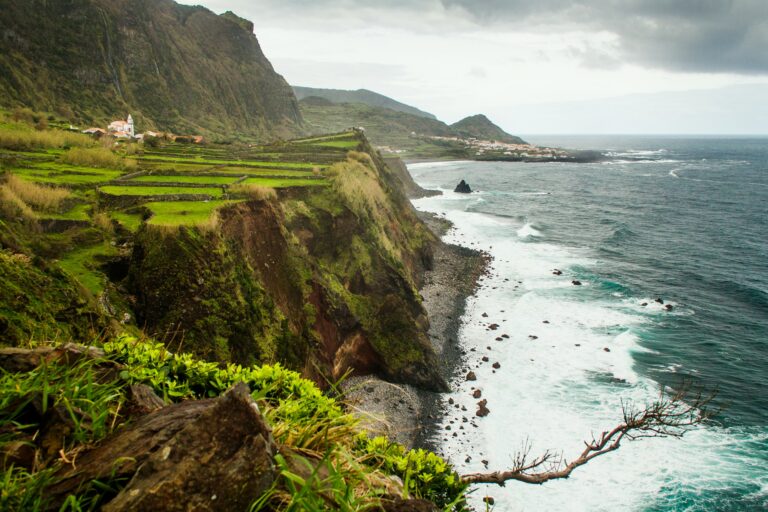
Fajã da Caldeira de Santo Cristo, located on the northern coast of São Jorge island, is often described as the “Holy Grail” of surfing in the Azores. This unique geological formation, known as a fajã, was created by ancient landslides and lava flows, resulting in a coastal plateau backed by vertical green cliffs and fronted by a pristine lagoon. Remote and legendary, the village is accessible only by foot or quad bike, preserving a sense of isolation and raw natural beauty that is rare in the modern world. For surfers, Fajã da Caldeira offers a high-energy experience where powerful Atlantic swells meet a world-class cobblestone point break. It is a place of profound silence and immense power, where the only sounds are the rhythmic crashing of waves and the calls of seabirds. Fajã da Caldeira is a destination for those who seek to connect with the primitive energy of the ocean in one of the most majestic and secluded settings in the Atlantic.
Fajã da Caldeira is the definitive choice for surfers seeking world-class point breaks, a remote “off-the-grid” island lifestyle, and an authentic Azorean experience on the rugged coast of São Jorge.
Best Season to Surf Fajã da Caldeira
- The High Swell Season: October to April. This period experiences the strongest North Atlantic energy. The swells are frequent and provide long, powerful rides. The point break at the Caldeira comes alive during these months, offering world-class walls that can handle significant size. High-quality wetsuits are necessary as the air temperatures can be cool.
- Beginner Recommendation – The Summer Season: June to August. This is the ideal time for manageable waves and warmer water. While the swells are less frequent, the smaller conditions provide an excellent environment for intermediate surfers to enjoy the point break without the intensity of the winter season.
- General Recommendation – The Transition Months: May and September. These months offer a useful combination of decent wave frequency and pleasant weather. You can often experience the first or last clean groundswells of the year while enjoying the lush, vibrant green landscape of the fajã.
Surf Spots and Beaches in Fajã da Caldeira
Caldeira
The surfing in Fajã da Caldeira centers around a legendary cobblestone point break located right at the mouth of the lagoon. This spot is famous for its long, peeling right-hand waves that can provide rides of several hundred meters. Because the wave breaks over a consistent boulder bottom, it offers a predictable and high-performance wall that works across various tide stages. On a clean day with a southerly offshore wind, the Caldeira produces world-class sections that range from hollow take-offs to long, workable faces. The setting is unparalleled, with surfers riding toward a shoreline of smooth volcanic stones backed by towering 400-meter cliffs. It is a high-energy spot that rewards those who make the journey with some of the best wave quality in the Atlantic.
A high-performance point break where the volcanic cobblestones and consistent North Atlantic pulses create a world-class environment for every session on the São Jorge coastline.
Surf Lessons and Camps
Caldeira Surf Camp is the spiritual and physical home of surfing in the fajã, offering a professional and deeply authentic gateway to the waves of São Jorge. Located in the heart of the remote village, this camp is dedicated to providing an immersive experience that emphasizes safety, technical progression, and a deep respect for the environment. Their team of experienced guides and instructors offers expert coaching and guided sessions for intermediate and advanced surfers, as well as introductions for adventurous beginners. With comfortable local accommodations and a focus on sustainable, slow-paced living, Caldeira Surf Camp provides an expert gateway to the waves, ensuring that every guest experiences the unique “magic” that makes this remote fajã a world-renowned surf sanctuary.
Other Things to Do in Fajã da Caldeira
- Hiking the Fajãs: Explore the stunning trail from Serra do Topo down to the Caldeira, offering breathtaking views of the northern coastline and the Atlantic.
- The Lagoon: Swim or paddle in the calm waters of the Lagoa da Fajã de Santo Cristo, a protected nature reserve and the only place in the Azores where clams are harvested.
- Waterfall Exploration: Discover the hidden waterfalls and cold-water pools tucked into the lush valleys behind the village.
- Local Clams: Savor the famous “Ameijoas da Caldeira,” a local delicacy found only in this lagoon, prepared in traditional Azorean style.
- Stargazing: With zero light pollution and a remote location, the fajã offers some of the most incredible views of the night sky in the Atlantic.
Conclusion on Surfing Fajã da Caldeira
Fajã da Caldeira offers a quintessential Azorean surf experience, balancing world-class point break energy with the serene and monumental beauty of a secluded volcanic landscape. The reliability of the waves and the professional, community-focused expertise of Caldeira Surf Camp make it a premier destination for those seeking quality waves in a truly extraordinary and authentic setting.
Whether you are carving through a clean morning swell under the shadow of the cliffs or enjoying the absolute silence of the village after a session, Fajã da Caldeira provides a profound connection to the sea and the adventurous spirit of Atlantic surf travel.
FAQ: Surf Travel to Fajã da Caldeira
Is Fajã da Caldeira suitable for beginners?
While the point break can be challenging, beginners can learn during the smaller summer swells with the guidance of the surf camp. However, due to the remote location and cobblestone bottom, it is generally best suited for those with some previous experience.
What is the water temperature?
In summer, the water ranges from 20°C to 23°C (68-73°F). In winter, it drops to 15°C to 17°C (59-63°F). A 3/2mm wetsuit is ideal for most of the year, while a 4/3mm is recommended for winter sessions.
How do I get there?
The fajã is remote. You first fly to São Jorge (SJZ) or take a ferry from Pico or Faial. From the nearest road, you must hike about 45-60 minutes or arrange for a quad bike transport for your gear to reach the village.
Is the spot crowded?
Due to its difficult access, the crowd is naturally limited. The vibe in the water is typically very respectful and shared among the few locals and guests staying at the surf camp.
Can I surf at low tide?
The point break at the Caldeira works through various tide stages, but mid-tide is often considered the “sweet spot” for providing the best shape and longest rides along the cobblestone shelf.
Are there other locations to do a Surf Camp or take a lesson in the Azores?
Check out our Surfing in Portugal Travel Guide for more information on other top locations across the Azorean islands and the mainland.