Surfing in Portugal: A Surf Travel Guide
Introduction to Surfing in Portugal
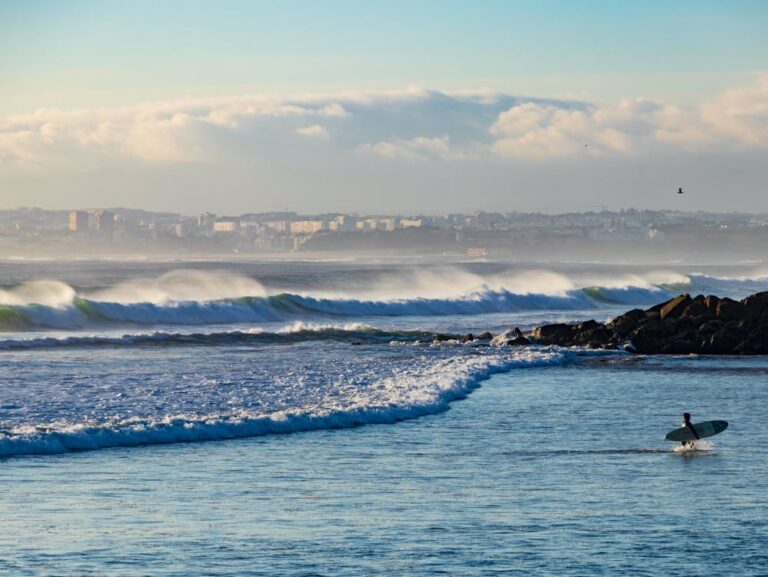
Portugal is one of Europe’s strongest surf countries, with three distinct island regions and a long mainland coast facing the Atlantic. The Azores offer remote, volcanic surf with open-ocean power, Madeira brings compact reef and point breaks, and Porto Santo adds a smaller island option with a more relaxed feel. On the mainland, the Algarve, Lisbon Coast, West Coast, and North Coast each offer very different surf characters.
This layout makes Portugal unusually versatile: sheltered beginner beaches, world-famous heavy points, and powerful winter reef breaks all sit within the same country. The best season is usually autumn through spring, when North Atlantic swell reaches the coast with more consistency.
Azores Area
The Azores are an autonomous Atlantic archipelago with volcanic coastlines, uncrowded lineups, and a mix of beach breaks, reef breaks, and point breaks. São Miguel usually gets the most attention because it combines the strongest surf infrastructure with the most variety, but other islands can also produce excellent sessions when the swell is right.
Praia da Vitória
Praia da Vitória is one of Terceira’s most accessible surf options and a useful beach-break choice when Atlantic swell lines up. It is a practical spot for surfers who want easier conditions and a wide sandy setup.
Fajã da Caldeira
Fajã da Caldeira is the kind of remote Azores location that appeals to surfers who enjoy exploring volcanic coastlines. Conditions here are more dependent on swell direction and exposure, but that is part of the appeal.
Ponta Delgada
Ponta Delgada is the main gateway to São Miguel and a convenient base for surfing the island. It gives travelers access to some of the Azores’ best-known breaks while keeping city amenities close at hand.
Ribeira Grande
Ribeira Grande is one of the Azores’ most important surf towns and a central stop for surfers on São Miguel. It is known for reliable swell exposure and has a strong reputation among local and visiting surfers.
Madeira Area
Madeira is a compact Atlantic island with powerful reef and point breaks, a short but serious surf season, and a much more concentrated surf map than the Azores. It is especially strong for intermediate and advanced surfers, although a few sheltered spots are useful for beginners.
Funchal
Funchal is the island’s urban surf base and a convenient starting point for travelers. It is not the main wave destination, but it works well as a practical hub for surf trips around the island.
Machico
Machico is one of Madeira’s best beginner-friendly surf spots, thanks to its sheltered bay and sandy bottom. It is a classic place for first surf sessions and softer days.
Porto da Cruz
Porto da Cruz is one of the island’s main surf hubs and a strong beginner-to-intermediate option. It tends to be punchier and more exposed than Machico, especially when north or northeast swell arrives.
Sao Vicente
São Vicente is one of Madeira’s key north-coast surf zones, with exposed reef setups and more serious wave potential. It is a good fit for surfers who want stronger, more rewarding conditions.
Seixal
Seixal is one of the more approachable Madeira spots and can be useful when smaller, softer conditions are better than the heavier reefs elsewhere. It is a valuable learning and progression location.
Paul do Mar
Paul do Mar is one of Madeira’s more advanced surf spots, with a powerful reef break and a strong reputation among experienced surfers. On the right swell, it can be one of the most exciting waves on the island.
Porto Santo Area
Porto Santo is the smaller island next to Madeira and offers a more relaxed surf environment. It does not have the same variety or intensity as Madeira, but it can still provide fun waves, especially for beginners and surfers looking for a quieter island atmosphere.
Porto Santo Island
Porto Santo is the main surf focus on the island, with sandy beaches and more forgiving conditions than Madeira’s rocky reefs. It is especially useful when you want a slower-paced surf trip with easier waves.
Main Land
Mainland Portugal is the country’s most diverse surf region, spanning the Algarve in the south, the Lisbon and Cascais coast, the exposed west coast, and the powerful northern beaches. This is where Portugal’s surf reputation was built, with world-class beach breaks, reef breaks, and point breaks all within driving distance of major cities.
Faro / Praia de Faro
Faro and Praia de Faro are the Algarve gateway, where surfers can find forgiving beach-break conditions and easy access to the southern coast. It is a useful entry point for a wider Algarve surf trip.
Quarteira
Quarteira offers accessible Algarve beach-break surfing with a straightforward town base. It can be a good option when you want easier, more manageable conditions.
Albufeira
Albufeira is one of the Algarve’s best-known resort towns and can still provide usable surf nearby. It works best as a travel base with beach access rather than a daily-wave guarantee.
Armação de Pera
Armação de Pera is a useful Algarve beach option with broad sand and good beginner appeal. It is often a practical stop for learners and casual surf days.
Portimão
Portimão gives the Algarve a bigger-town surf base with nearby beach access. It is handy for mixed travel, surf lessons, and easy logistics.
Lagos
Lagos is one of the Algarve’s most attractive surf-and-travel hubs, with access to multiple nearby beaches and a strong visitor scene. It works well for combining surf with a lively town atmosphere.
Luz
Luz is a calmer west Algarve base that suits easygoing surf travel. It is useful for smaller, friendlier waves and a quieter pace than the bigger resort towns.
Salema
Salema is a scenic west Algarve beach option that can work well when conditions line up. It offers a more relaxed, village-style surf experience.
Raposeira
Raposeira sits near some of the Algarve’s more exposed surf zones and is a good base for travelers heading toward Sagres and Carrapateira. It is more about access than a single signature wave.
Sagres
Sagres is one of Portugal’s most important surf towns and a major point of reference for the Algarve. Its exposure to Atlantic swell makes it one of the region’s most reliable all-round bases.
Carrapateira
Carrapateira is a standout west Algarve surf spot with excellent beach-break exposure and a strong reputation among traveling surfers. It is one of the best places for a surf-focused stay.
Vale Figueiras
Vale Figueiras is a powerful, more exposed beach break that suits surfers looking for stronger surf and fewer crowds. It is one of the better options for bigger, more Atlantic-facing days.
Aljezur
Aljezur is a key inland base for the west Algarve, giving easy access to surf beaches while keeping the trip flexible. It is especially useful for surfers exploring the Costa Vicentina.
Odeceixe
Odeceixe is a classic west coast surf destination with a scenic river-mouth setting and good wave potential. It is one of the Algarve coast’s most recognizable surf locations.
Milfontes
Milfontes is a beautiful stop on the Alentejo coast, where beach breaks can pick up swell and offer a more laid-back surf atmosphere. It works well as part of a longer road trip north from the Algarve.
Sines
Sines gives surfers another exposed Atlantic stop with potential for strong swell days. It is more rugged and less polished than the Algarve, which is part of its appeal.
Praia da Comporta
Praia da Comporta is a long beach option north of the Alentejo coast that offers space, scenery, and occasional surfable waves. It is a good option when you want a broad sandy beach and a lower-key feel.
Sesimbra
Sesimbra is a useful south-of-Lisbon surf town with access to several beach and reef setups. It is a strong place to include if you want easy city access plus surf variety.
Costa da Caparica
Costa da Caparica is one of the best-known surf beaches near Lisbon, with long stretches of sand and plenty of beginner-friendly options. It is a major everyday surf zone for the capital.
Carcavelos
Carcavelos is one of Portugal’s most famous urban surf beaches and a classic Lisbon-area wave. It is a key stop for learners and experienced surfers alike.
Cascais
Cascais gives the Lisbon region a polished surf base with easy access to several nearby breaks. It is a strong all-round destination for visiting surfers.
Praia do Guincho
Praia do Guincho is a powerful, wind-exposed beach break that suits surfers who want more energy and less shelter. It is one of the most famous beaches in the greater Lisbon region.
Colares
Colares sits near one of Portugal’s classic surf corridors and is a useful base for exploring the Sintra coast. It works especially well as part of a wider regional surf trip.
Praia das Maçãs
Praia das Maçãs is a well-known Sintra-area beach with accessible surf potential and a scenic setting. It is one of the more approachable west coast spots near Lisbon.
Ericeira
Ericeira is one of Portugal’s premier surf towns and a world-famous destination for good reason. It combines quality waves, strong surf culture, and a large range of break types.
Silveira
Silveira sits in a good part of the west coast for surf exposure and is a dependable choice when conditions line up. It suits surfers who like a quieter, less crowded stop.
Lourinhã
Lourinhã is a useful west coast surf base north of Lisbon with access to a range of beach breaks. It is a practical stop for exploring the central Atlantic coast.
Consolação
Consolação is one of the classic Peniche-area surf beaches and works well on the right swell. It has a long-standing reputation as a useful and reliable stop.
Peniche
Peniche is one of the most important surf towns in Portugal and a destination that deserves its reputation. It offers everything from beginner-friendly beaches to powerful, world-class reef and beach breaks.
Ferrel
Ferrel is closely tied to the Peniche surf zone and works as a practical base for many of the area’s best waves. It is especially good for surfers who want access to the region without always staying in the main town.
Nazaré
Nazaré is globally famous for giant-wave surfing, but it also belongs in a broader Portugal surf guide because of its unique exposure and reputation. It is best known for serious winter swell and extreme conditions.
Pataias
Pataias is a useful central coast beach option with broad sand and occasional surfable conditions. It is more of a practical surf stop than a headline destination.
Figueira da Foz
Figueira da Foz is a strong central coast surf town with solid beach-break potential and a long history of wave riding. It is one of the more important stops north of Lisbon.
Quiaios
Quiaios offers a quieter central coast beach option with room for surf on the right day. It fits well into a road trip between bigger surf towns.
Tocha
Tocha is another long sandy beach that can work well for surf when the Atlantic lines up. It is a sensible stop for surfers moving up the central coast.
Praia de Mira
Praia de Mira is an easygoing beach destination with occasional surf and a relaxed coastal atmosphere. It is useful for casual sessions and regional travel.
Praia da Vagueira
Praia da Vagueira is a wide beach option that can catch usable swell and often feels less crowded than the headline spots. It is a practical coastal stop for surf travel.
Ovar
Ovar gives the north-central coast another useful beach option with surf potential on the right day. It is a good fit for travelers exploring the longer Atlantic coastline.
Cortegaça
Cortegaça is an exposed beach break in the north-central coast zone and can deliver rideable waves when conditions are favorable. It is a classic no-frills surf stop.
Esmoriz
Esmoriz is another broad beach with occasional surfable windows and easy regional access. It is especially useful for local and short-trip surf.
Espinho
Espinho is one of the better-known northern beach towns for surfing and a useful stop near Porto. It is a classic Atlantic beach-break destination.
Vila Nova de Gaia
Vila Nova de Gaia gives surfers access to the Porto area and nearby beaches. It is a convenient urban base rather than a signature wave destination.
Matosinhos
Matosinhos is one of the key urban surf beaches near Porto and a major learner-friendly location. It is one of the most accessible spots in northern Portugal.
Azurara
Azurara offers north coast beach-break surfing with a relaxed, practical feel. It is useful for surfers exploring the Porto region.
Vila do Conde
Vila do Conde is a strong north coast surf base with good access to Atlantic exposure. It works well for a broader northern Portugal surf trip.
Apúlia
Apúlia is a useful north coast beach location that can produce rideable surf when the swell is in the right range. It fits the more relaxed northern coast style.
Esposende
Esposende is a dependable northern coastal stop with surfable beaches and easy access. It is a good option for mixed experience levels.
Viana do Castelo
Viana do Castelo is one of the stronger northern coastal surf towns and a respected Atlantic stop. It offers a good mix of scenery, surf culture, and beach exposure.
Vila Praia de Âncora
Vila Praia de Âncora is a classic far-north Portuguese surf spot with solid beach-break potential. It is a fitting final stop on a long Atlantic coast road trip.
Surf by Experience Level
| Beginner | Intermediate | Advanced |
|---|---|---|
| Machico, Seixal, Matosinhos, Costa da Caparica, Praia de Faro | Porto da Cruz, Sagres, Ericeira, Peniche, Figueira da Foz | Paul do Mar, Nazaré, Vale Figueiras, strong winter Atlantic reefs |
Practical Surf Travel
- Best planning approach: Portugal is highly region-dependent, so always check swell direction, wind, and tide before choosing the coast.
- Travel style: A car is very helpful for almost every region except some urban beach breaks.
- Water temperature: Cooler in the mainland Atlantic, milder in the islands, with thicker suits needed in winter.
- What to expect: Great variety, strong surf infrastructure, and a coastline that works for nearly every level somewhere in the country.
Conclusion on Surfing in Portugal
Portugal gives surfers one of the most complete surf maps in Europe, from the volcanic power of the Azores and Madeira to the world-class mainland coast. The country is especially strong because it has both beginner-friendly beaches and serious heavy-wave destinations in the same national network.
Whether you are chasing mellow learning waves, longboard days, or powerful winter swells, Portugal has a coast that fits. The real challenge is not finding waves, but choosing which region to surf first.